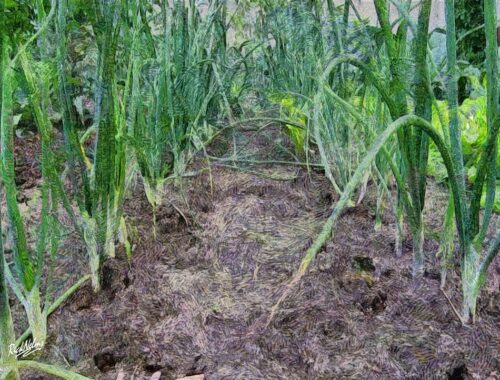
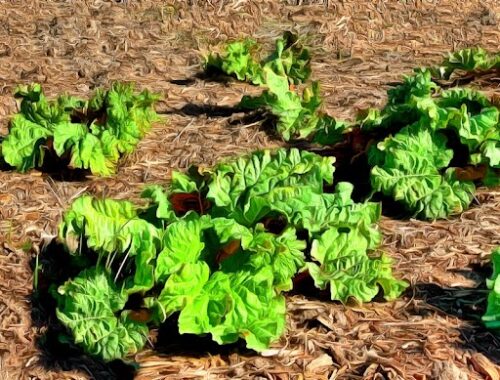
Glut the Second Perpetual Spinach.
Glut the Second Perpetual Spinach.
Perpetual spinach is a revelation these beets just keep on
giving. A heritage variety can keep you going for ages. Okay winter less so but
you have so much to freeze it should not be a problem keeping yourself stocked
with some spinach. Also if the seeds fall in autumn you end up with the stuff
growing like weeds – suppressing other weeds at the same time. Our perpetual
spinach seed spills, so we get surprising sports mixed across plots and plots
in the garden – it nice to have as a weed that makes a great curry. We also
collect the seed heads and share the seed via the foodbank.
The only issue in keeping this a perpetual crop has been the
extremes of heat and cold. Too cold and the little leaves don’t make it, but
some of the massive roots seem to survive. After the travails and terrors of
cold winters there is the heat and hardship of the summer. This upright plant
becomes flaccid and droopy. So they need watering, but the mature roots seem to
ensure that they keep on growing – even the ones that received little water on
the community allotment still thrived. They like a feed though.
Get the crop going.
Remember a heritage variety is good way to plant and grow.
You get a crop really quickly with small leaves popping up sweet and tasty in
days. Then leave a few plants to grow – on a small plot one will do as these
are large plants. The aim is to use the leaves but let at least one flower and
set seed – the insects will love you for it. The great thing is that once
established these plants can survive a wet and frozen winter. A few things I’ve
learned though:
- Try growing in small squares – it helps keep
things contained and dense so less weeding. - Feed the roots during the spring and summer if
you are treating these as a perennial. - After two years I am getting a sort of rotation.
I can keep one of last year’s plants growing and make space by digging up the
previous years. Then we get seed from the mature plants while eating from aour
small square. Leave one to grow through the summer for winter use and seed. - Clear the bed occasionally and start again keeping
the soil fertile – I top dress with grass cuttings and compost. It also helps
with water conservation. - In small gardens plants can work in, containers do
work but not so well for big a plant and for the baby leaves it is well worth having
a small tub. - If you do not want seed remember not to let the
stems get a grip. You need to keep cutting before you get massive stems.
Cropping
This is so simple:
- Bigger leaves have a stem that can be cut our, chopped and stir fried.
- A square bed lets you go along with scissors
cutting little leaves for salads. - Keep cutting the to get more leaves and try to
cut out the fruiting stalks if you do not want seeds. - Avoid cropping bigger plant in the summer so you
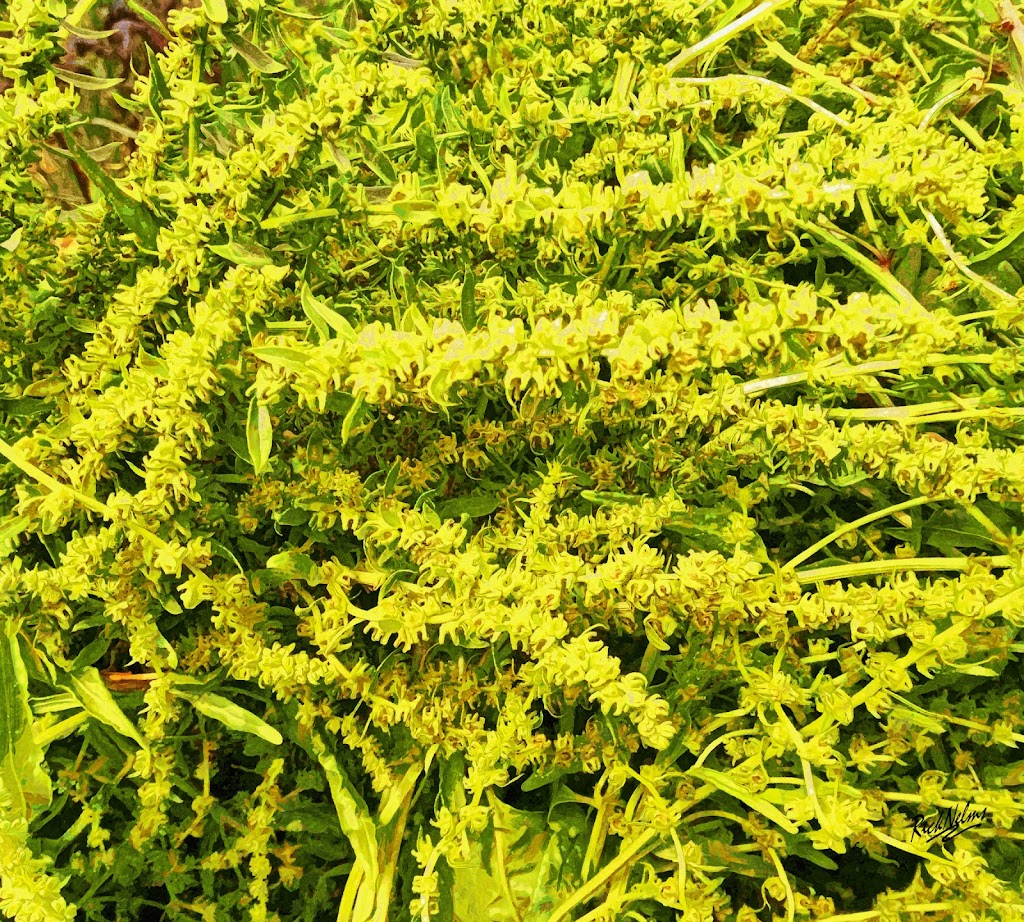
get the seeds - Seeds are really easy – just wait until they are
dry and shake into an envelope. So simple and easy. Means you have a back up in
case of extreme weather affecting your established plants.
Glut cooking
- Go for the flan / quiche in our recipes.
- Straight into a salad with the small leaves
- Wash and blanch. Then steam or wilt then squeeze and freeze
in small trays for sue later. Ice cube bath helps the cooking stop. - Makes a great curry and you can add other veg as
they come into season. I keep a spice box just for this as a store cupboard staples
– turmeric, coriander (you can grow the seed), cumin, - Run leaves in a blender and freeze puree.
- Add to pasta sauces.
- Use if making fresh pasta – makes a great green
pasta sheet or tagliatelle. - Add to bacon/mushroom with garlic and little
onion.

Glut Cook The introduction